Tehran Sends Strong Signals in the Face of Escalation
According to the statements made by the Iranian authorities, the political and military organization of the country is stable enough to lose the leadership. According to Foreign Minister Abbas Araghchi, the institutions were operating normally. Besides, authorities reiterated that personal losses cannot undermine the system at large. These utterances are meant to show strength as the war spreads.
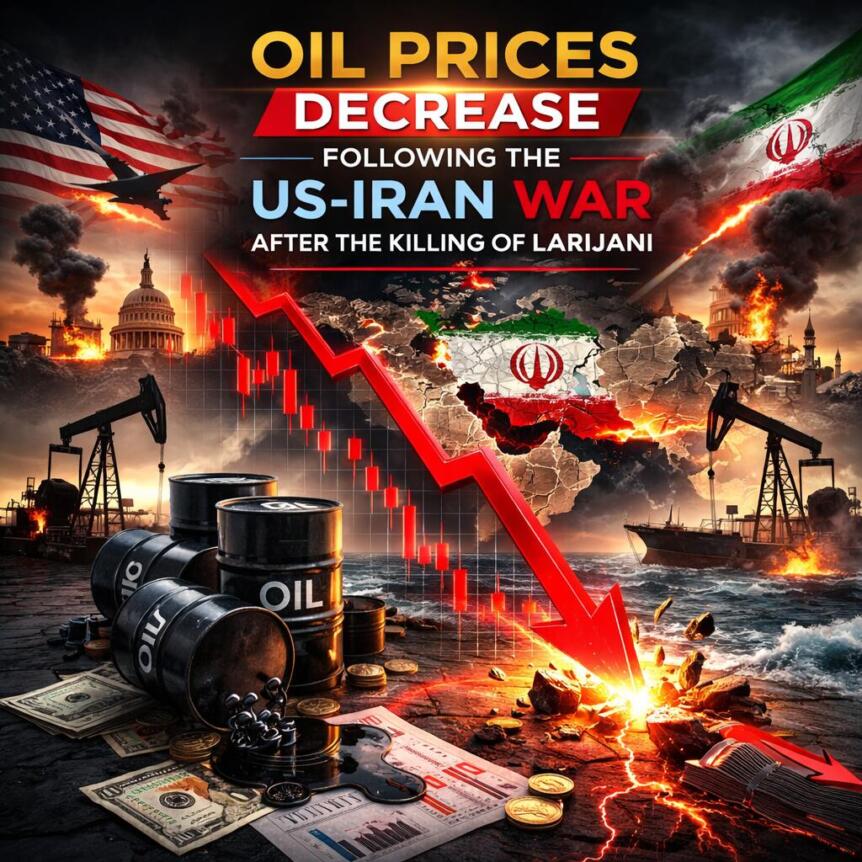
The oil prices shifted downwards with the escalation of geopolitical tensions in the Middle East. The prices of crude fell by over 3 percent and closed at around 92 in the last trade period. Nevertheless, markets responded to a stable supply situation and not to conflict risks. None of the significant disturbances in production or shipping of oil constrained price pressure.
The activity of shipping via the Strait of Hormuz was maintained at a moderate rate, which sustained a stable supply globally. Further, Iran permitted some commercial ships to pass through the important passage. Furthermore, Iraq and Kurdish leaders started again with oil exports through the Ceyhan port of Turkey. The situation created an addition to the supply chain in the international markets and lessened the apprehensions concerning scarcity.
Sanctions relief pushes in the wrong direction
The United States gave a temporary lift on sanctions imposed on the Russian oil shipments stuck at sea. This move gave it the opportunity to supply more supply to the international markets in the short run. As a result, the availability of crude was elevated, weighing on prices even though conflict risks were still there. Even a minor addition of supply, observed by analysts, could have an impact on prices in the existing circumstances.
Geopolitical risks are still pitted against stable supply flows by energy markets. Although tensions are strong, traders are focusing on real disruption of the situation as opposed to possible threats. Also, the existent equilibrium between the supply and demand has curbed price spikes. The oil markets are still sensitive to the developments as the conflict goes on.