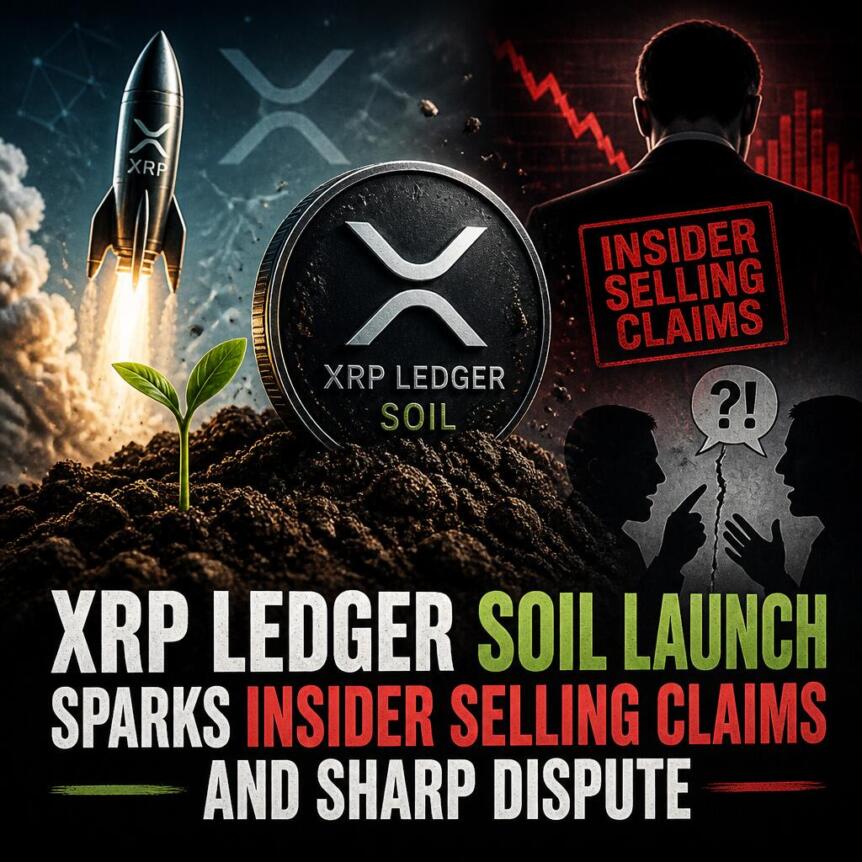
The XRP Ledger community is debating the launch of the SOIL token after an on-chain analyst questioned its distribution process. The allegations focused on wallet activity during the XRP Ledger debut. Meanwhile, the SOIL team rejected the claims and defended the launch structure.
Analyst Questions Soil Token Distribution On XRP Ledger
An on-chain analyst known as Skeptic claimed blockchain data showed unusual selling activity during the SOIL token launch on XRP Ledger. The analysis suggested issuer-linked wallets created most of the selling pressure instead of ordinary market participants. Consequently, the claims triggered debate across the XRP Ledger community.
According to the analyst, several wallets received SOIL tokens directly before selling them into the automated market maker. One wallet reportedly received about 68,766 SOIL through multiple transfers before exchanging the holdings for roughly 11,457 XRP. Two additional wallets also received substantial allocations before selling most of their balances for XRP.
The analyst argued that the transaction pattern did not reflect normal price discovery. Instead, the activity appeared to involve issuer distribution followed by rapid selling into available liquidity. As a result, the analyst claimed XRP Ledger liquidity absorbed those token sales during launch.
Price Difference Adds To The Debate
The analyst also pointed to SOIL’s existing presence on Ethereum, Polygon, and several centralized exchanges before the XRP Ledger launch. These trading venues included MEXC, Gate.io, BitMart, and BVOX. Therefore, the XRP Ledger launch entered an already active market instead of creating a new one.
During the same period, CoinMarketCap data showed SOIL gaining about 53% within twenty-four hours. The token price increased from around $0.06147 to approximately $0.09861. At the same time, MEXC also recorded positive trading performance.
The analyst argued that stronger prices on external markets contrasted with selling activity on XRP Ledger. According to the assessment, XRP Ledger liquidity absorbed distributed supply while prices elsewhere remained stronger. Consequently, the analyst described the launch process as unprofessional and criticized the execution.
Soil Rejects Insider Selling Allegations
The SOIL team denied every allegation surrounding insider selling during the XRP Ledger launch. Instead, the project attributed the sharp price movement to strong demand meeting limited liquidity. The team maintained that market conditions created the temporary imbalance.
According to the project, bridge addresses handled the questioned transactions instead of project-controlled wallets. The team also stated that decentralized and centralized exchanges commonly experience temporary price differences when market-making remains limited. Furthermore, it argued that arbitrage naturally balances those differences over time.
The protocol maintained that available liquidity functioned as expected until buying activity accelerated sharply. It also stated that arbitrage between exchanges represented a normal market process rather than evidence of manipulation. Therefore, the project rejected suggestions that it intentionally influenced token prices.
Debate Expanded Beyond The Token Launch
The analyst continued challenging the project’s explanation after reviewing the liquidity arrangements. The discussion shifted toward whether the project had been adequately prepared for the expected market demand. Consequently, criticism focused on launch planning instead of direct allegations involving user funds.
Another community member later questioned whether locked RLUSD deposits faced any potential risk. The analyst responded that no evidence suggested deposits faced danger during the controversy. Instead, the analyst limited criticism to the token launch process and liquidity management.
The exchange highlighted broader discussions surrounding decentralized finance launches on XRP Ledger. Recent network upgrades have encouraged additional projects to expand onto the blockchain. However, the latest dispute shows that token distribution methods and liquidity preparation remain central topics as new protocols enter the XRP Ledger ecosystem.