South Korean Exchange Hack: Partial Asset Freeze by Binance Highlights Cross-Border Cooperation Challenges
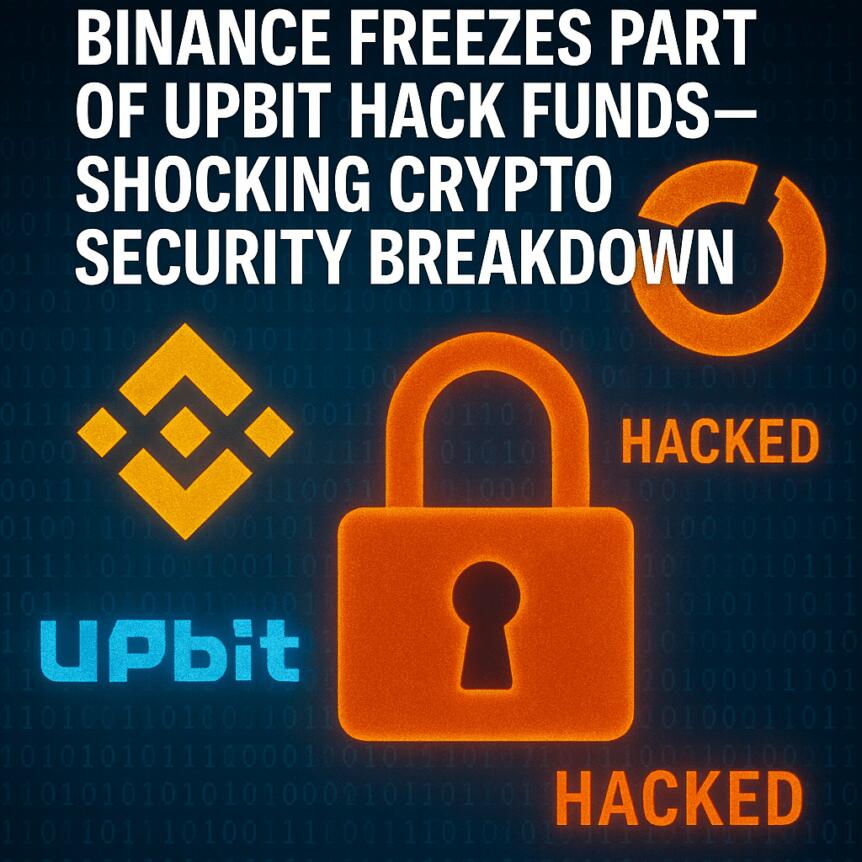
In a recent development stemming from a November 27 hacking incident at South Korea’s prominent crypto exchange Upbit, Binance reportedly froze a portion of funds linked to the breach. The incident underscores the increasingly complex nature of cross-border cryptocurrency enforcement and the importance of swift asset response in safeguarding user assets.
Key Takeaways
- Binance froze approximately 470 million Korean won (around $370,000) in Solana tokens following a police request after Upbit’s hot wallet was compromised.
- The exchange delayed enacting the freeze, initially taking roughly 15 hours to block about 17% of the requested amount, citing verification requirements.
- Upbit suffered unauthorized withdrawals of Solana-based assets valued at approximately $36 million, prompting investigations and coordinated efforts with authorities.
- Security experts emphasize the necessity of rapid initial freezes to mitigate damage, though industry resistance remains over litigation and jurisdiction concerns.
Tickers mentioned: $SOL
Sentiment: Cautiously optimistic about collaboration efforts
Price impact: Neutral — Funds were partially recovered, but the breach highlights ongoing security vulnerabilities in centralized exchanges.
Market context: The incident reflects broader concerns about cybersecurity and regulatory oversight within the rapidly evolving crypto industry.
Incident Overview and Industry Implications
Following the attack on Upbit, one of South Korea’s largest platforms, authorities immediately petitioned Binance to freeze assets associated with the stolen Solana tokens. According to local reports from KBS, Binance was able to block about 17% of the funds voluntarily, despite a delay caused by verification procedures. The remaining amount was reportedly not frozen, raising questions about the effectiveness and timeliness of cross-border asset freezes.
The hack resulted in stolen Solana‑based assets valued at approximately $36 million, prompting Upbit to collaborate with law enforcement agencies to track and freeze additional assets across multiple platforms. Industry experts, including Cho Jae‑woo of Hansung University’s Blockchain Research Institute, highlight that rapid initial asset freezes are crucial to minimizing damages. However, they note that exchanges often cite litigation risks as reasons for hesitance or delays in cooperation.
The event starkly illustrates the vulnerabilities associated with centralized cryptocurrency exchanges, especially in the context of international law enforcement requests. Upbit has publicly stated that it is actively investigating the breach and working with authorities to recover stolen funds, while Binance reaffirmed its commitment to cooperation through official channels.
As regulatory scrutiny intensifies globally, incidents such as this reinforce the importance of robust security measures and international cooperation to curb illicit activities in the crypto ecosystem.