


Senate Democrats urge a DOJ and Treasury probe into Binance’s sanctions compliance after reports of Iran-linked flows, raising concerns about post-settlement conduct and political ties.
This category covers global regulatory, legal, and policy developments that shape the digital economy and the broader financial landscape.
Here we analyze how geopolitics, government policies, tax frameworks, and cross-border regulations impact businesses operating in crypto, blockchain, Web3, fintech, and emerging technologies.
Topics include international regulatory trends, compliance frameworks, geopolitical risk, digital asset legislation, taxation policies, and institutional perspectives from governments, regulators, and global advisory firms.
This section is designed for readers who want to understand how global rules and political dynamics influence innovation, markets, and the future of digital assets.
Senate Democrats urge a DOJ and Treasury probe into Binance’s sanctions compliance after reports of Iran-linked flows, raising concerns about post-settlement conduct and political ties.

Hong Kong unveils its 2026 digital asset reform plan, outlining licensing for dealers and custodians, stablecoin approvals, and tokenization measures.

Hyperliquid launches the Hyperliquid Policy Center in Washington, D.C. to advocate for clearer DeFi regulations, led by Jake Chervinsky and funded by the Hyper Foundation.

CFTC files amicus brief to assert federal control over prediction markets, countering state claims of unlicensed sports betting.

OKX secures Malta PI license to offer regulated EU-wide stablecoin payments; Mastercard card enables self-custody with automatic conversion.
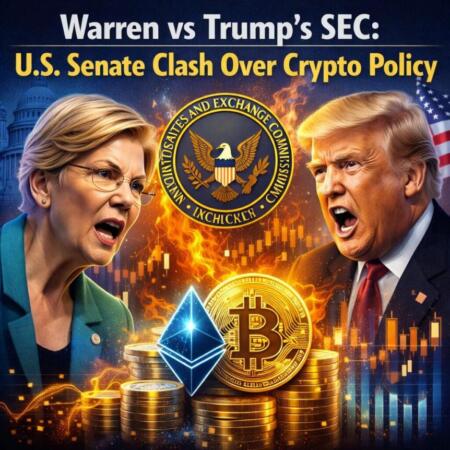
A Senate hearing turns into a crypto policy clash as Warren questions SEC enforcement and Atkins defends shifting toward fraud prevention.

China advises banks to cut US Treasury exposure, raising liquidity concerns and creating mixed implications for global crypto markets.

What was once driven by speculative trading and rapid experimentation is increasingly being shaped by institutional participation.
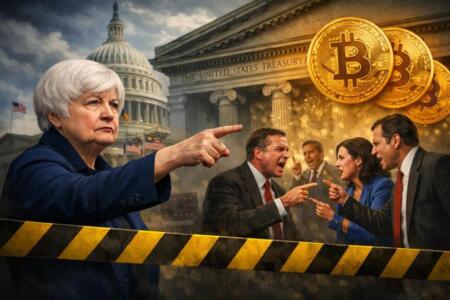
The Treasury resists using taxpayer funds to back digital currencies as lawmakers grill on Bitcoin reserves.
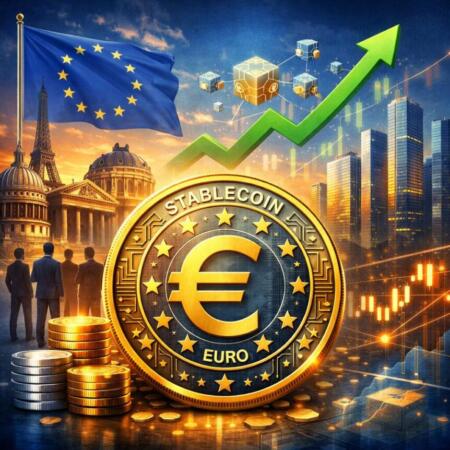
European banks are preparing to issue euro-pegged stablecoins by 2026, driven by MiCAR regulation, tokenized assets, and a projected market growth to up to €1.1 trillion by 2030.