Introduction
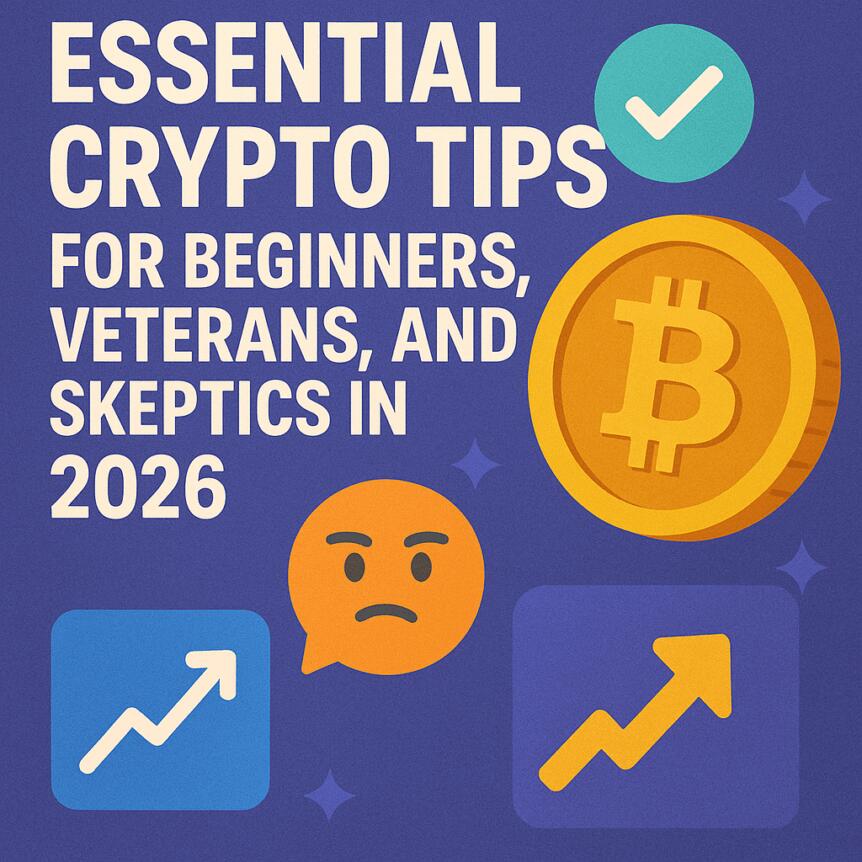
James Howells, a prominent figure in the cryptocurrency community, emphasizes the importance of understanding blockchain fundamentals before diving into crypto investments. With a history marked by a high-profile Bitcoin loss, Howells advocates for responsible experimentation, comprehensive education, and a cautious approach toward leverage trading. His insights serve as practical guidance for newcomers, seasoned veterans, and skeptics alike as they navigate the evolving crypto landscape.
Key Takeaways
- Beginners must learn how blockchains and decentralized finance work before investing.
- Experiments with crypto protocols and wallets should be done without risking real money initially.
- Avoid leverage trading due to its high risk and the advantage it provides to experienced traders.
- Veterans should regularly verify their wallet backups and promote real-world crypto usage and adoption.
Table of Contents
Tickers mentioned: None
Sentiment: Neutral
Price impact: Neutral. The article emphasizes caution and education over immediate market moves.
Trading idea (Not Financial Advice): Hold — Focus on education and safe experimentation before taking significant risks.
Market context: The broader crypto market continues to emphasize responsible adoption amid regulatory uncertainties and emerging mainstream interest.
Informed Entry into Crypto
James Howells, who became widely known after attempting to recover 8,000 Bitcoin from a landfill like the one that once contained his hard drive, stresses that new entrants must first understand the core principles of blockchain technology. He states, “Learn how blockchains operate, why decentralized finance exists, and what problem it solves.” He further explains that cryptocurrencies offer an alternative to traditional fiat systems, which concentrate power within governments and intermediaries. Recognizing why this decentralization matters is more crucial than simply purchasing coins.
Practical Experimentation and Caution
Once newcomers grasp the basics, Howells advises experimenting with various protocols, services, and wallets—initially without risking large sums. “You will make mistakes, and you will lose money. That is part of learning,” he says. The key is to keep lessons affordable by avoiding significant financial exposure, as many people become discouraged after losing hundreds on poorly chosen apps. He emphasizes that most people only care about small losses if they learn valuable lessons, rather than losing large amounts which can tarnish the broader adoption narrative.
However, Howells warns against leverage trading, which he considers dangerous for newcomers. “Stay away from it entirely,” he urges, citing how leveraged platforms often benefit experienced traders, turning inexperienced users into liquidity providers for the more sophisticated. He cautions that lack of understanding of market structures and risk mechanics can make traders the product of the system.
Protect and Promote Crypto Adoption
Veterans should routinely test their wallet seed phrases and backup strategies to ensure accessibility. Howells highlights that many wallets created in the early 2010s have become unusable due to evolving software standards. He advocates that crypto users incorporate digital assets into their daily lives and help onboard others, emphasizing the importance of real-world usage over mere speculation.
He urges seasoned users to reinvest profits into the ecosystem by launching businesses or accepting crypto for services, fostering deeper adoption. Despite obstacles faced from regulatory and institutional bodies, Howells asserts that blockchain technology has already ‘won’ and that decentralized infrastructure will inevitably prevail over traditional gatekeepers. Ultimately, he encourages skeptics to approach crypto earnestly, taking the time to set up wallets, make transactions, and understand custody, rather than dismissing the technology based on headlines or misconceptions.