This editorial introduces a press release describing a rapid market reassessment driven by geopolitical tensions and a rise in oil prices. It notes that talks with Pakistan collapsed and a blockade of the Strait of Hormuz has occurred, shifting sentiment from relief to caution across energy and equity markets. The release links higher crude costs to potential inflationary pressure and central‑bank policy responses, while framing the upcoming earnings season as a gauge for how firms price energy risk. A market analyst is quoted on whether the move signals a short‑term tactic or the start of a longer supply shock, a distinction readers will weigh carefully.
Key points
- Crude prices have risen about 8% on the development, signaling tighter energy markets.
- US equity futures have slipped as markets reassess risk and potential supply disruptions.
- Emergency stockpiles are being drawn down and the IEA warns that supply pressures could intensify.
- S&P 500 earnings are expected to grow about 12.6% this quarter, with major banks set to report; forward guidance will be critical.
Why it matters
The practical effect of geopolitical risk and higher energy costs extends to inflation expectations, borrowing costs, and corporate forecasting. If the disruption proves temporary, markets may adjust; if it persists, inflation and policy responses could become louder market drivers. For readers, traders, and investors, the message is to monitor how energy risk is priced into forecasts and what earnings commentary reveals about resilience or vulnerability in the near term.
What to watch
- The ceasefire deadline of April 22 and any progress toward a resolution.
- How companies adjust guidance on energy costs and demand in earnings reports.
- Oil maintaining levels above $100 per barrel and the implications for inflation and policy.
- Market volatility in response to headlines and headline-driven risk reassessment.
Disclosure: The content below is a press release provided by the company or its PR representative. It is published for informational purposes.
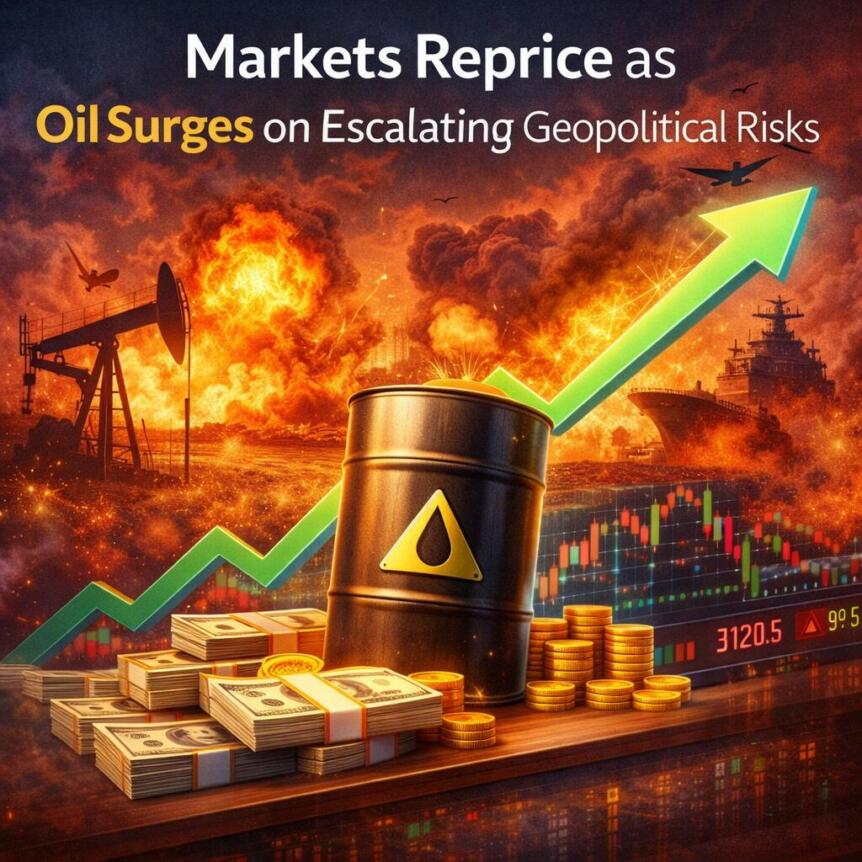
Markets Reprice as Oil Surges and Geopolitical Risks Escalate
Abu Dhabi, UAE -13 April 2026: Markets have rapidly shifted from optimism to uncertainty following the collapse of Pakistan talks and the immediate blockade of the Strait of Hormuz, reversing last week’s relief rally driven by ceasefire hopes. The move has already pushed crude prices higher by around 8%, while US equity futures have slipped, underscoring growing investor concern over potential disruptions to global energy supply.

Josh Gilbert, Market Analyst at eToro, said: “The key question for markets right now is whether this is a short-term negotiating tactic or the start of a more prolonged supply shock. If it’s temporary, markets may look through it. But if this disruption persists, the inflationary consequences will be significant and will quickly move back to the top of the agenda for investors.”
Higher oil prices are already feeding into global inflation expectations, complicating the outlook for central banks that had been edging closer to rate cuts. With oil expected to remain above USD $100, policymakers may be forced to delay easing plans, adding further pressure on consumer sentiment and economic growth.
The impact is being felt globally, with emergency stockpiles being drawn down and limited buffer capacity to absorb further shocks. Warnings from the International Energy Agency suggest supply pressures could intensify in the coming weeks, increasing the risk of sustained volatility across energy markets.
This backdrop coincides with the start of US earnings season, where the S&P 500 is expected to report earnings growth of approximately 12.6%, marking a sixth consecutive quarter of double-digit growth. Major banks including Goldman Sachs, JPMorgan, Wells Fargo, and Citi are set to report, offering early insight into how rising geopolitical tensions are impacting the real economy.
Gilbert added: “Forward guidance will be critical this earnings season. While first-quarter results may not fully reflect the impact of higher oil prices, the real focus will be on whether companies are starting to factor in a prolonged disruption. Any signs of caution around consumer spending, corporate confidence, or deal activity could add another layer of pressure on markets.”
With the ceasefire deadline approaching on April 22 and no clear path to resolution, markets are expected to remain highly sensitive to headlines. Volatility is likely to persist, with investors needing to stay prepared for further downside risks if tensions continue to escalate.
About eToro
eToro is the trading and investing platform that empowers you to invest, share and learn. Founded in 2007 with the vision of a world where everyone can trade and invest in a simple and transparent way, today eToro has 40 million registered users from 75 countries.
eToro believes in the power of shared knowledge and that investors can become more successful by investing together. The platform has built a collaborative investment community designed to provide users with the tools they need to grow their knowledge and wealth. On eToro, users can hold a range of traditional and innovative assets and choose how they invest: trade directly, invest in a portfolio, or copy other investors.
Visit eToro’s media centre for the latest news.