Ethereum’s recent price momentum signals potential for additional gains, driven by evolving regulation and shifts in investor sentiment.
Market Analysis
Key takeaways:
- On May 8, ETH surged by 22%, yet interest in spot ETH ETFs and derivatives remained restrained.
- President Trump’s retreat from certain altcoins has indirectly boosted Ethereum’s prospects.
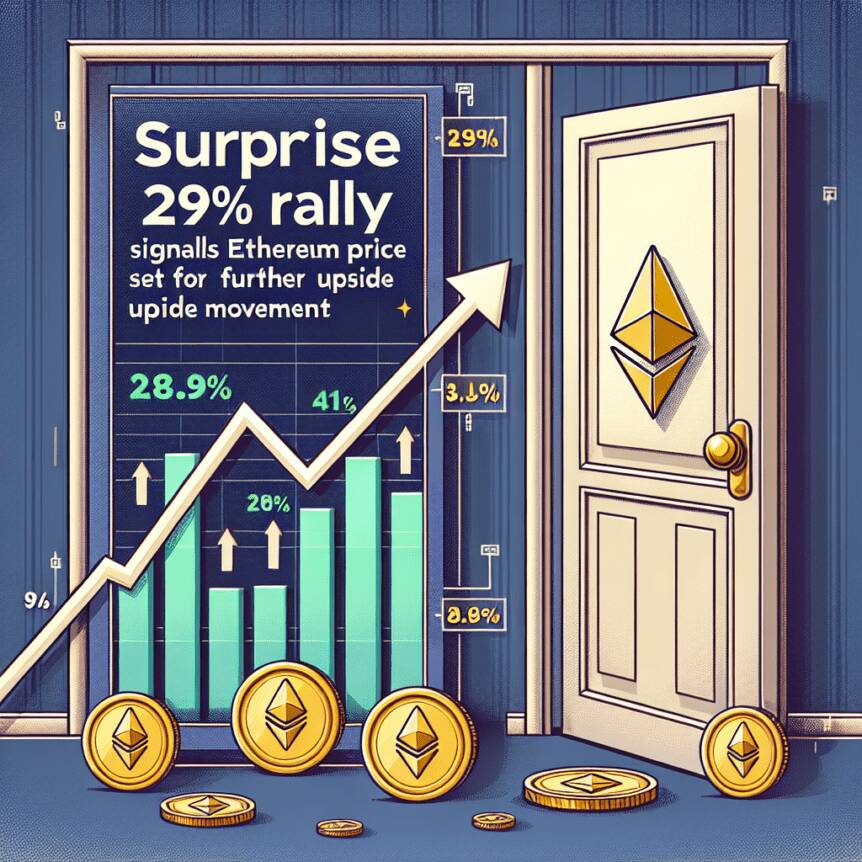
Between May 8 and May 9, Ether (ETH) soared by 29%, likely completing a 10-week bear phase that began with a low of $1,385 on April 9. This sudden upswing triggered the liquidation of more than $400 million in short ETH futures, catching many large players and market makers off-guard.
Despite the rally, derivatives traders remained cautious. That begs the question: is this a genuine trend reversal or a momentary pause before ETH revisits the $2,000 level?
The 3-month futures premium for ETH hasn’t surpassed the 5% mark, which typically signals neutral market conditions. That suggests demand for leveraged bullish bets is still subdued. Also, Ethereum is lagging behind the broader altcoin market by 17% in 2025, a factor that may help explain investors’ restraint.
Some analysts see this as an opening for more short-covering action, while others highlight that core fundamentals of Ethereum still need to solidify.
Ethereum still dominates in decentralization and TVL
Regardless of price swings, Ethereum’s network updates have significantly improved layer-2 scalability. Perhaps more critically, these upgrades reinforce its standing as the most decentralized and secure smart contract platform. Ethereum’s total value locked (TVL) now stands at an impressive $64 billion—more than double that of its closest rivals combined (Solana, BNB Chain, and Tron) at $22.3 billion.
ETF demand remains tepid, network fees slide
Interestingly, even after one of the strongest single-day ETH price performances in four years, U.S.-listed spot Ether ETFs recorded their third straight day of net outflows, with $16 million pulled on May 8 alone. That signals enduring investor caution despite bullish price action.
A further dampener: Ethereum’s network fees plunged by 85% between January and April. Lower fees reduce user and transaction demand and may suppress staking yields; they also weaken the protocol’s burn mechanism, which depends on fee volume.
Neutral sentiment in derivatives adds to uncertainty
Negligible shifts in derivatives markets add another layer of ambiguity. Put (sell) and call (buy) options are trading in near parity—suggesting neutral sentiment and reflecting skepticism among whales and market makers about sustained upside. Without a stronger shift in sentiment, ETH might struggle to break confidently above $2,000.
What this means for crypto investors
Ethereum’s rapid 29% upswing between May 8–9 indicates growing optimism in regulatory developments and network strength. Yet, restrained demand for ETFs and derivatives points to lingering uncertainty. To build sustainable momentum, Ethereum needs consistent improvements in network usage, higher transaction fees, renewed investor confidence—and technical breaks of key resistance levels.
This complex interplay shows why crypto enthusiasts and traders should monitor both macro sentiment and on-chain fundamentals as Ethereum charts its next move.