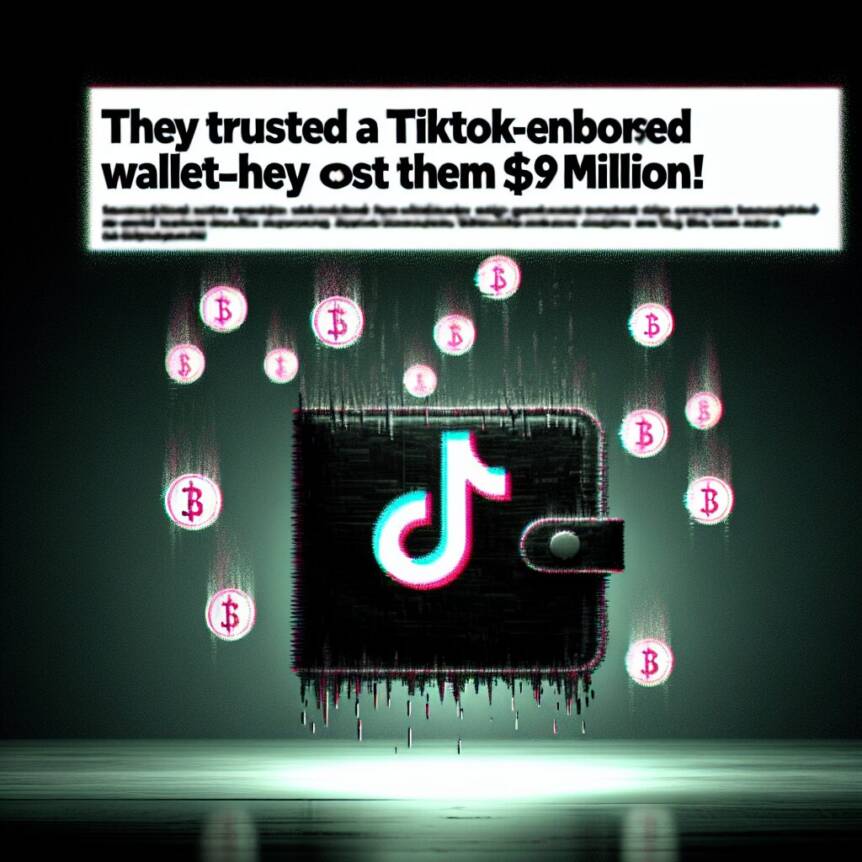
In the ever-evolving universe of cryptocurrency, new users often find themselves at the peril of sophisticated scams. A recent debacle involving a TikTok-fueled cryptocurrency scam serves as a stark reminder of the dark side of the crypto world. This incident, where an unchecked wallet cost traders a staggering $69 million, underscores the importance of vigilance in digital asset management.
The Lure of Unverified Wallets
TikTok, a platform primarily known for its viral content rather than financial advice, became the unlikely catalyst for a massive financial folly. The scam originated from users promoting a cryptocurrency wallet that they claimed was sealed and secure. As cryptocurrency continues to burgeon in every corner of digital space, influencers and ordinary users took to TikTok to tout the security and potential of this wallet. Users, swayed by the promulgation of trusted community faces, were quick to invest their assets, hoping for substantial returns.
How The Scam Unfolded
The crux of the scam lay in the very nature of the wallet itself. Unlike conventional products sanctioned by regulatory bodies or vetted by the crypto community, this wallet had no formal inspection or validation mechanisms in place. The eagerness of users to jump on what appeared to be a lucrative deal blinded them to the red flags. The scammers behind the operation cleverly exploited this oversight, resulting in the loss of approximately $69 million from unsuspecting investors. Users deposited funds into the wallet, which were then siphoned off in a classic case of a pull-the-rug scheme.
Indispensable Lessons and Mitigation Strategies
This unfortunate incident brings to light several pivotal lessons for crypto enthusiasts. First and foremost is the critical importance of due diligence. Investors should make it a practice to verify the credibility and security of any digital asset platform. Familiarizing oneself with blockchain technologies and staying updated with crypto regulation news could fortify one’s defense against similar scams. Additionally, turning to established and well-reviewed platforms rather than unverified third-party apps for trading and investments is advisable.
In conclusion, the steep loss experienced by users highlights an acute necessity for educating potential investors about the volatile nature of digital currencies and the omnipresent risk of fraud. As cryptocurrency gains mainstream traction, adhering to prescribed security measures and regulatory standards becomes not just beneficial, but essential for safeguarding one’s digital assets.