BlackRock CEO Larry Fink Evolves Views on Bitcoin Amid Regulatory Progress
In a notable shift, Larry Fink, Chair and CEO of BlackRock, outlined a significant transformation in his perception of cryptocurrencies, particularly Bitcoin. Once associated with illicit activities, Fink now recognizes Bitcoin as a legitimate asset class, evidenced by BlackRock’s pioneering efforts in launching a spot Bitcoin exchange-traded fund (ETF). His remarks mark a pivotal moment in the ongoing institutional acceptance of digital assets.
Key Takeaways
- Fink publicly acknowledged his dramatic change in attitude towards Bitcoin, transitioning from skepticism to embracing regulatory-approved exposure.
- The CEO highlighted Bitcoin’s volatility, cautioning investors about its speculative nature amid geopolitical uncertainties.
- BlackRock’s ETF, named the iShares Bitcoin Trust, reached a peak value of roughly $70 billion, signaling growing institutional confidence.
- Recent net outflows from the ETF suggest market volatility, yet BlackRock maintains a strategic outlook emphasizing liquidity and market relevance.
Tickers mentioned: $BTC, $IBIT
Sentiment: Mixed
Price impact: Negative, as recent outflows reflect cautious investor sentiment despite long-term institutional confidence.
Trading idea (Not Financial Advice): Hold, monitoring market reactions to macroeconomic developments and regulatory updates.
Market context: The shift underscores growing institutional backing amid regulatory acceptance and market maturation of cryptocurrencies.
From Stigma to Mainstream Acceptance
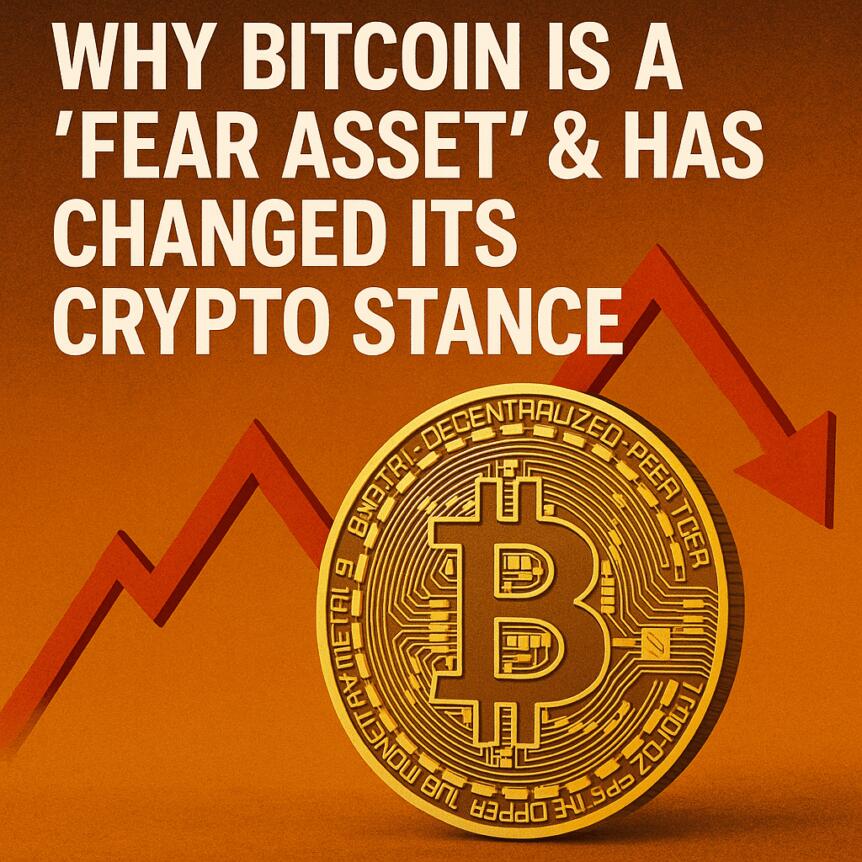
During the DealBook Summit held by The New York Times, Fink addressed his evolving stance on cryptocurrencies. Previously, he characterized Bitcoin as “an asset of fear,” driven by concerns over its association with money laundering and volatile price fluctuations. The CEO pointed out that Bitcoin’s value had recently declined amid geopolitical tensions such as a US-China trade deal and the Ukraine conflict, calling attention to its speculative risks.
“If you bought Bitcoin for a trade, it’s a very volatile asset. You’re going to have to be really good at market timing, which most people aren’t.”
Fink’s previous comments, notably made in October 2017, framed Bitcoin as an asset linked to illicit financing. At that time, he remarked that the cryptocurrency “shows you how much demand for money laundering there is in the world.”
However, in early 2024, BlackRock achieved a milestone by securing regulatory approval from the U.S. Securities and Exchange Commission for its spot Bitcoin ETF, under the ticker IBIT. The product quickly amassed assets worth approximately $70 billion before experiencing notable outflows, with over $2.3 billion exiting the fund in November. Despite these withdrawals, BlackRock remains optimistic, emphasizing the liquidity and strategic importance of ETFs in digital asset markets.
Major competitors implementing similar strategies include Grayscale, Fidelity, ARK 21Shares, and VanEck. The evolution in BlackRock’s approach and the ETF’s market performance reflect a broader shift towards institutional integration of cryptocurrencies.