In the current ever-changing economic environment, experienced investors are reassessing their portfolios, exploring Bitcoin as a viable substitute for conventional assets like real estate. The cryptocurrency’s limited availability and remarkable potential for growth create a strong argument for innovative investment strategies.
Real Estate: The Mirage of Security
Traditionally, real estate has been viewed as a reliable option for safeguarding wealth. However, the housing sector faces systemic threats, including rising interest rates, governmental regulations, and economic recessions. Additionally, real estate investments often come with substantial upkeep expenses, taxes, and a lack of liquidity.
In contrast, Bitcoin offers unmatched portability, protection from confiscation, and immunity to local economic or geopolitical turmoil. Unlike real estate, Bitcoin does not incur ongoing maintenance expenses or physical limitations.
Bitcoin’s Emergence as a Valuable Asset
With a capped supply of 21 million units, Bitcoin is often referred to as “digital gold” for the contemporary era. Over the last ten years, Bitcoin has consistently outshined various asset classes, providing exceptional returns despite market fluctuations.
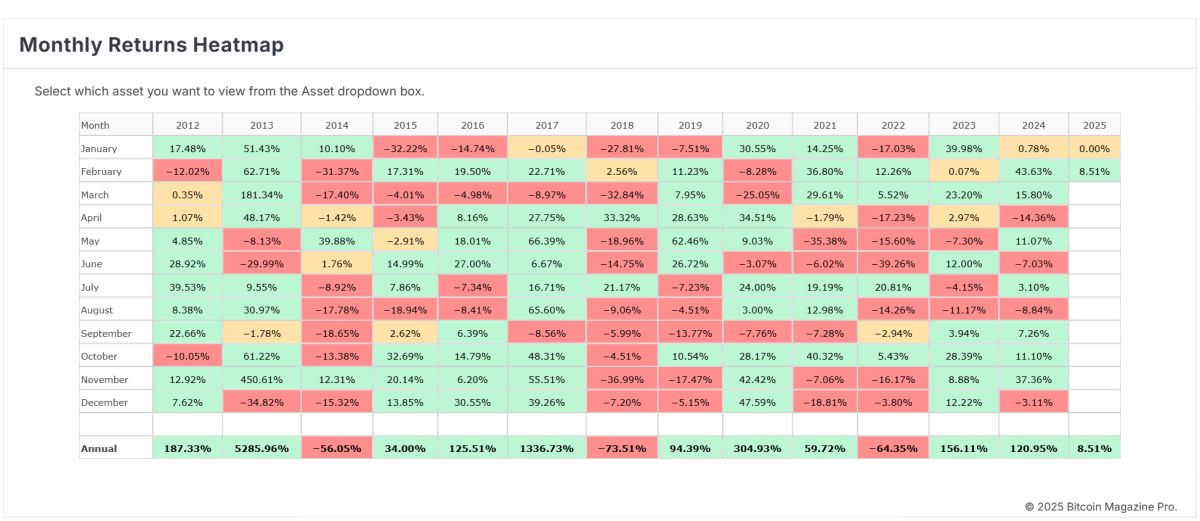
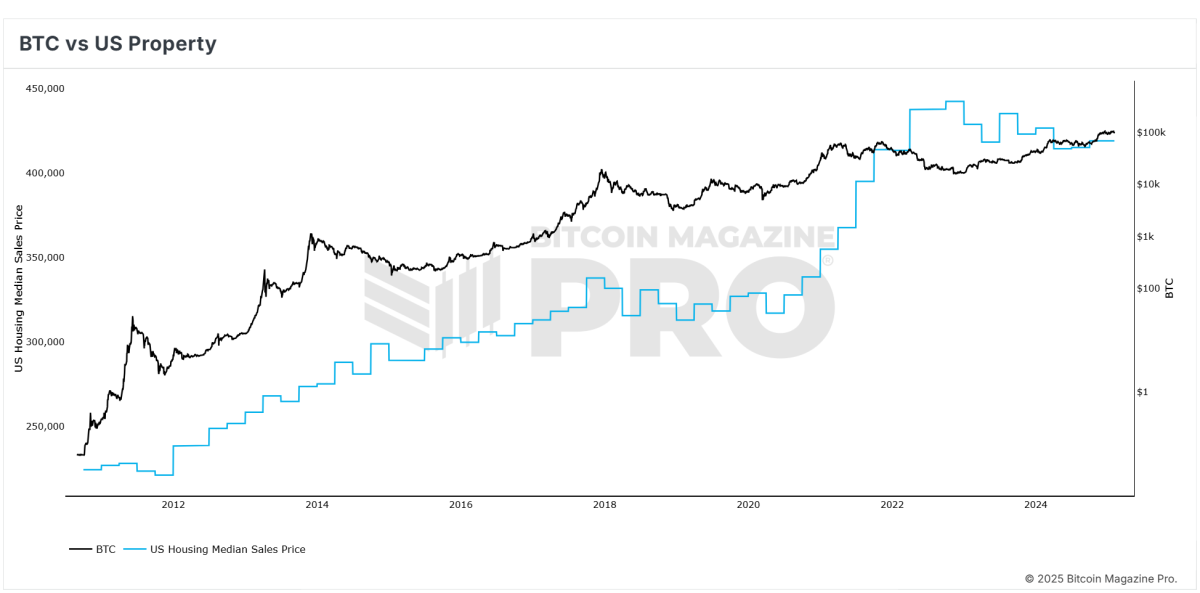
Conversely, the appreciation of real estate is often closely linked to inflation and government fiscal policies, which can erode its intrinsic value over time. Bitcoin, however, follows a deflationary structure that guarantees scarcity, thus helping maintain purchasing power.
Enhanced Liquidity and Accessibility
Investing in real estate typically involves protracted transactions, exorbitant fees, and numerous regulatory challenges. The sale of a property can extend for months, immobilizing capital and decreasing financial agility. Bitcoin, on the other hand, provides immediate liquidity and can be traded around the clock on international exchanges, allowing investors to effortlessly move their assets across borders.
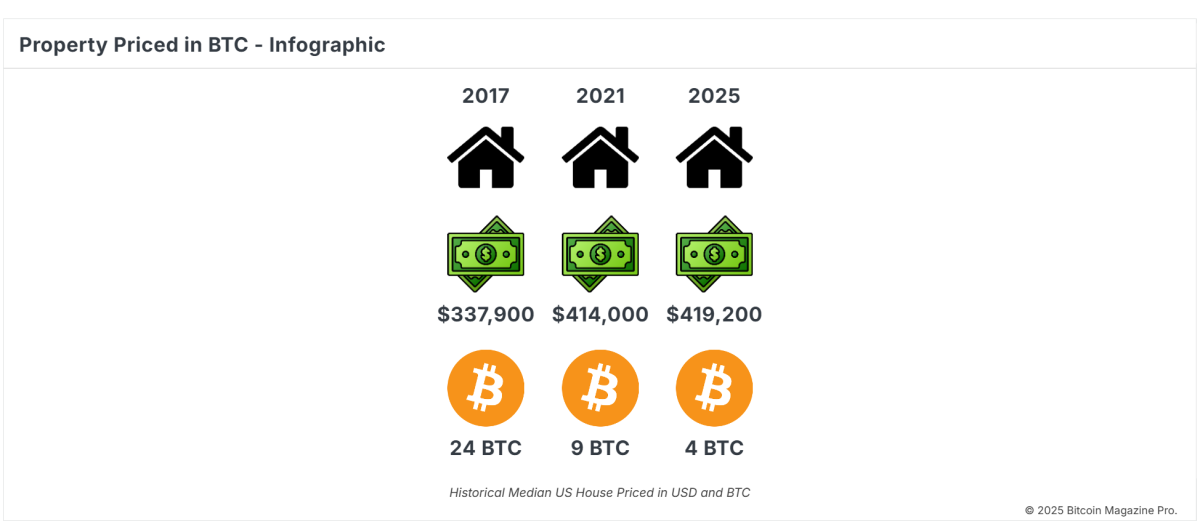
These findings highlight Bitcoin’s superior ability to preserve and enhance wealth compared to traditional property investments.
Protection Against Inflation
While real estate values tend to mirror inflationary patterns, they often do not significantly exceed them. Bitcoin, designed to counteract fiat currency depreciation, has shown remarkable stability during inflationary periods. As central banks continually increase money supply at unprecedented levels, Bitcoin’s limited quantity helps safeguard its value against monetary deterioration.
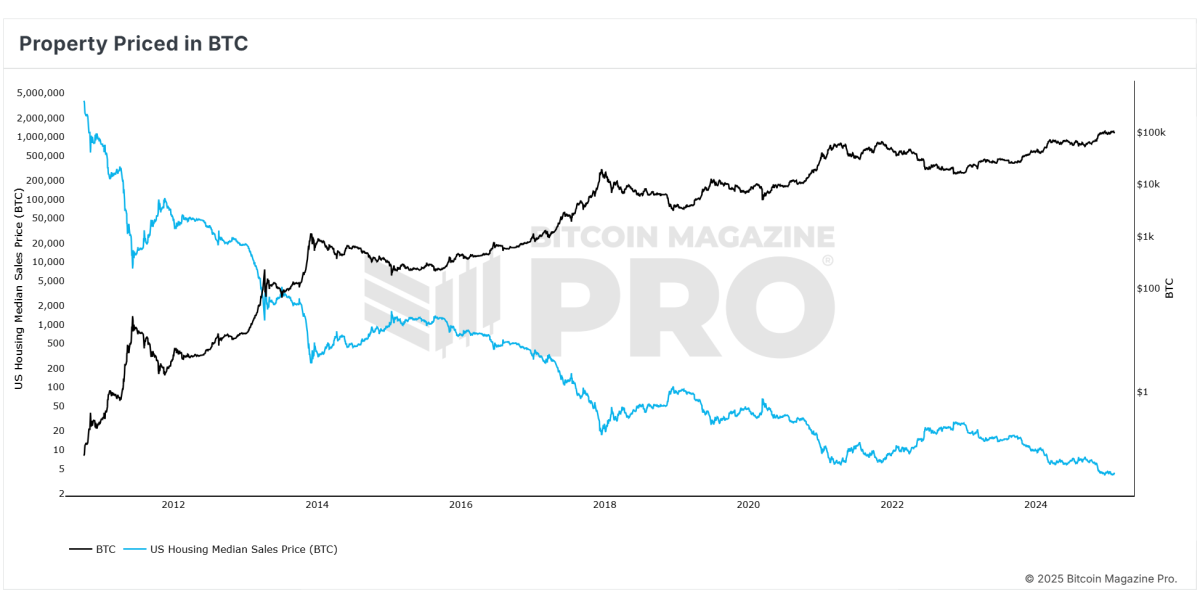
Adaptability for Contemporary Investors
Modern investors are increasingly looking for flexibility and global reach. Real estate is a localized and illiquid asset, which restricts mobility. Bitcoin, on the contrary, transcends borders and facilitates decentralized ownership without dependence on conventional financial systems. This feature particularly appeals to younger, tech-savvy investors who prioritize autonomy and control.
A Visionary Path Forward
Bitcoin encompasses more than mere speculation; it embodies a financial revolution. By adopting Bitcoin, astute investors position themselves at the forefront of this significant paradigm shift. As the acceptance of Bitcoin increases, its value proposition becomes more apparent: a durable, deflationary asset suitable for today’s economy.
Final Thoughts
Although real estate has been a prudent investment choice historically, Bitcoin provides a transformative alternative that aligns with the rapid advancements of the global economy. For those aiming to safeguard their wealth, counteract inflation, and engage with pioneering technology, Bitcoin emerges as the asset of preference. The pressing question is no longer “Why Bitcoin?” but instead “Why not Bitcoin?”
If you want detailed analysis and the latest data, consider visiting Bitcoin Magazine Pro for insightful perspectives on the Bitcoin sector.
Disclaimer: This article is intended solely for informational purposes and should not be interpreted as financial advice. Always conduct your own research prior to making any investment choices.