


JPX nears a crypto ETF listing in Japan as lawmakers review digital asset classification and taxation, with a possible 2027 launch dependent on final rules and tax treatment. Asset managers show growing interest in regulated crypto products.
This category covers global regulatory, legal, and policy developments that shape the digital economy and the broader financial landscape.
Here we analyze how geopolitics, government policies, tax frameworks, and cross-border regulations impact businesses operating in crypto, blockchain, Web3, fintech, and emerging technologies.
Topics include international regulatory trends, compliance frameworks, geopolitical risk, digital asset legislation, taxation policies, and institutional perspectives from governments, regulators, and global advisory firms.
This section is designed for readers who want to understand how global rules and political dynamics influence innovation, markets, and the future of digital assets.
JPX nears a crypto ETF listing in Japan as lawmakers review digital asset classification and taxation, with a possible 2027 launch dependent on final rules and tax treatment. Asset managers show growing interest in regulated crypto products.
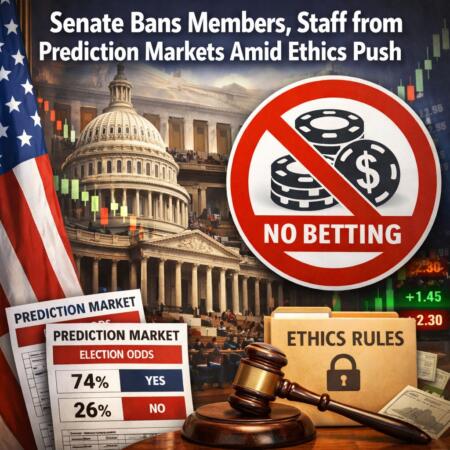
The US Senate moved to tighten its stance on inside information and financial speculation on prediction markets, unanimously approving a…
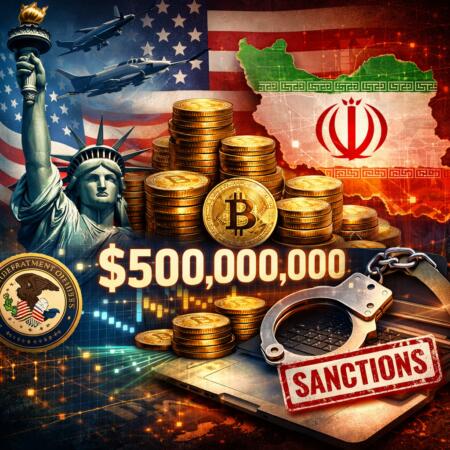
The United States has announced a substantial seizure of Iranian cryptocurrency assets, pegged at nearly $500 million, as part of…
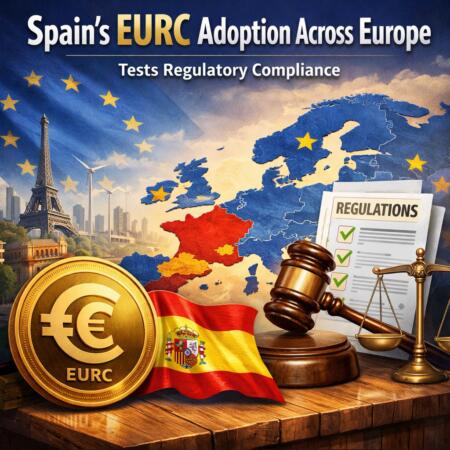
Spain appears to be the strongest retail market for Circle’s euro-pegged stablecoin EURC on the Brighty platform, with Brighty data…
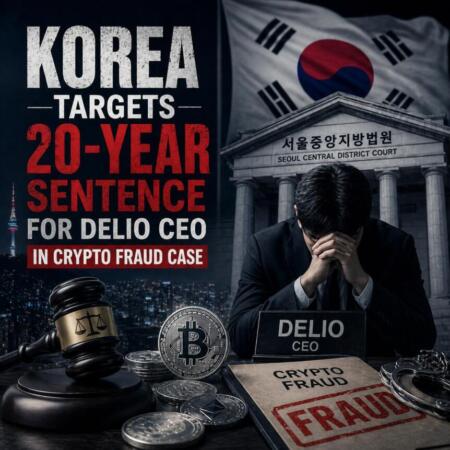
South Korean prosecutors are seeking a 20-year prison term for Delio’s chief executive, Jeong Sang-ho, in a case prosecutors describe…
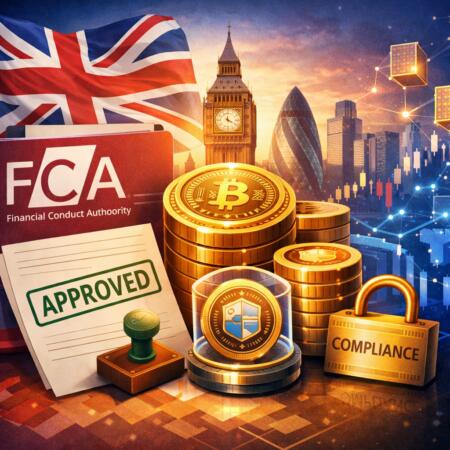
The United Kingdom’s financial regulator has published PS26/7, a policy statement that formalizes new rules and guidance to enable tokenized…
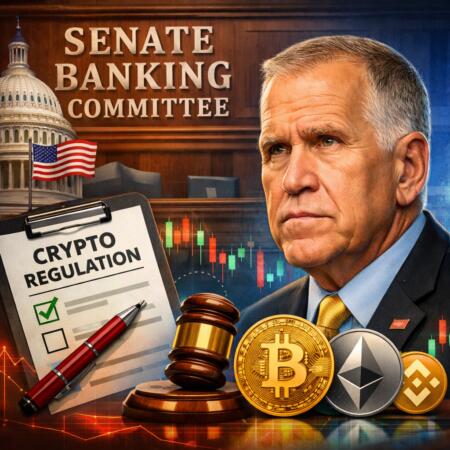
The stalled crypto market structure legislation in the United States is edging toward a mark-up, with Senator Thom Tillis signaling…
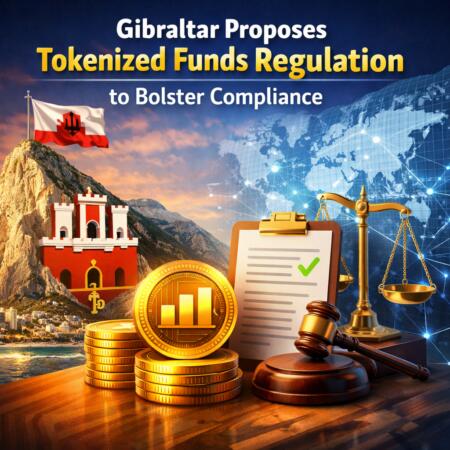
Gibraltar is moving to codify the use of tokenized fund shares within its financial framework, authorizing certain regulated funds to…
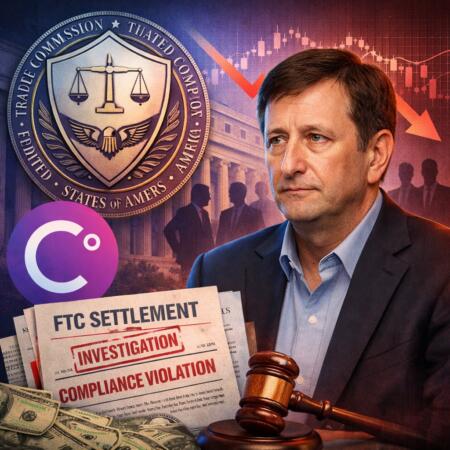
The U.S. Federal Trade Commission has reached a settlement with Celsius Network founder Alexander Mashinsky that imposes a permanent ban…
Polymarket is pursuing a regulatory pathway to reopen its main prediction markets platform to users in the United States, according…