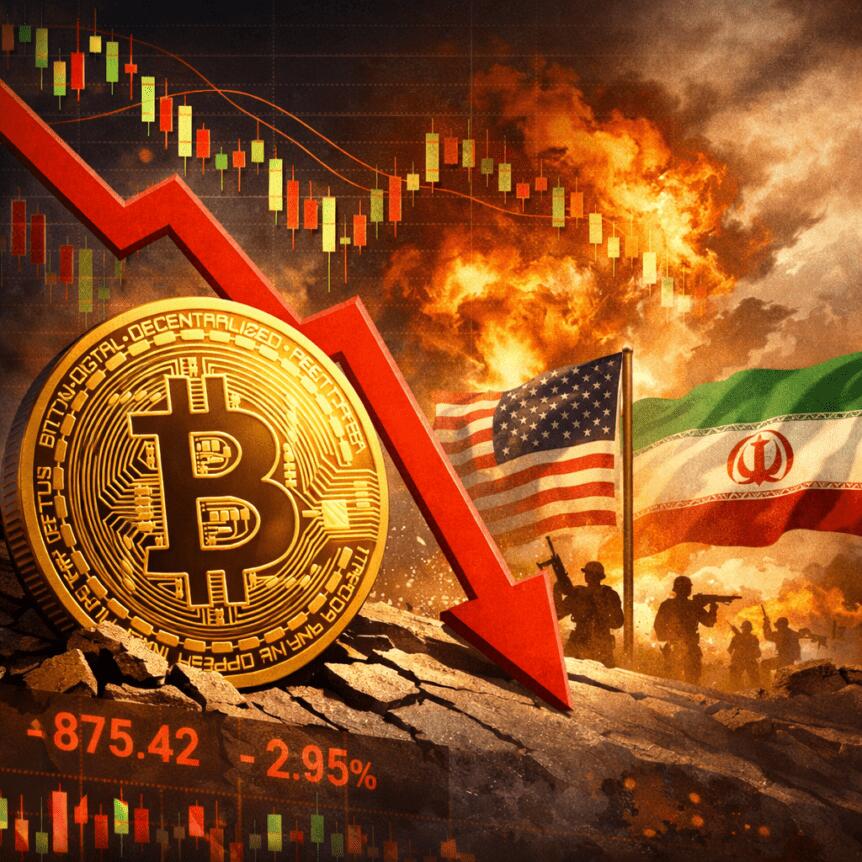
Geopolitical tensions surrounding the Strait of Hormuz renewed a risk-off mood across cryptocurrency markets over the weekend, pressuring Bitcoin after a brief rally earlier in the week. On Friday, Bitcoin surged above $78,300 on Coinbase — its highest level since early February — but the rally faded as broader developments escalated. By weekend’s end, BTC had retreated to the $75,000–$76,000 zone, and late Sunday slid further to briefly dip below $74,000 in the wake of a U.S. military operation in the region.
The U.S. military announced that it opened fire on and later seized an Iranian cargo ship it said was attempting to breach a blockade of Iranian ports, a move that Tehran characterized as a violation of a two-week ceasefire between the two nations. The ceasefire, which had contributed to a calmer backdrop for energy markets and crypto trading alike, is due to expire this week, with investors watching how any renewal or breakdown could influence risk assets.
As tensions escalated, Tehran signaled retaliation and reportedly rejected a new round of peace talks slated for Monday in Islamabad, citing the U.S. blockade. The combined stance from Washington and Tehran underscored the fragility of a de-escalation path, complicating the outlook for both oil and crypto markets in the near term.
The broader market backdrop reflected the tension. U.S. stock futures opened Sunday night lower, with S&P 500 futures down about 0.8%, Nasdaq-100 futures off 0.6%, and Dow futures down roughly 0.9% (around 450 points). Oil markets reacted in kind, with crude futures rising more than 4.5% and trading above $95 a barrel as supply concerns and geopolitical risk re-entered the narrative.
Crypto market sentiment also shifted. The Crypto Fear & Greed Index edged higher to 29 out of 100 on Monday, signaling a return to fear after a period of relative calm, though it remained in the cautious end of the spectrum rather than outright panic.
Bitcoin’s price trajectory over the weekend underscores how sensitive the crypto market remains to macro-driven risk factors in addition to its own supply-and-demand dynamics. The move back toward the mid-$70,000s after a weekend foray into the mid-$70k range highlighted the potential for renewed volatility should the conflict persist or escalate around Hormuz and related channels.
Cointelegraph has previously noted how macro tensions, including geopolitical flare-ups and oil price swings, have historically fed into bitcoin’s price action, offering a potential liquidity tilt during periods of global uncertainty. The current sequence — a Friday peak followed by a weekend retreat and a Sunday plunge tied to military actions — illustrates the ongoing intersection between energy markets, geopolitical risk, and crypto liquidity.
Looking ahead, the key question for traders is whether the ceasefire holds long enough for markets to re-price risk more calmly or if renewed escalation magnifies volatility. The end-date of the current two-week ceasefire looms large for both oil markets and digital assets, as any renewal terms or new conflict dynamics could reintroduce abrupt shifts in sentiment, liquidity, and hedge demand.
Analysts will also be watching how the U.S. and Iranian sides approach diplomacy in the coming days. Tehran’s rejection of new talks and its vow of retaliation, alongside the U.S. military actions, suggests that any easing in risk appetite may depend heavily on clear signals of de-escalation rather than the mere absence of headlines.
In the near term, Bitcoin and other major cryptocurrencies may continue to trade within a risk-off framework so long as geopolitical headlines dominate. Traders will likely weigh potential upside toward prior resistance levels against the risk of renewed volatility if tensions intensify or the ceasefire breaks down again. As always, liquidity, macro cues, and the evolving diplomatic calculus will shape the path forward for BTC and the broader crypto market.
What to watch next: the timing and outcome of any renewed discussions around the ceasefire, ongoing responses from both Tehran and Washington, and the corresponding reactions in oil and traditional equity markets. The coming days could reveal whether this episode marks a temporary pause in risk appetite or a more sustained shift in how investors price geopolitical risk into digital assets.