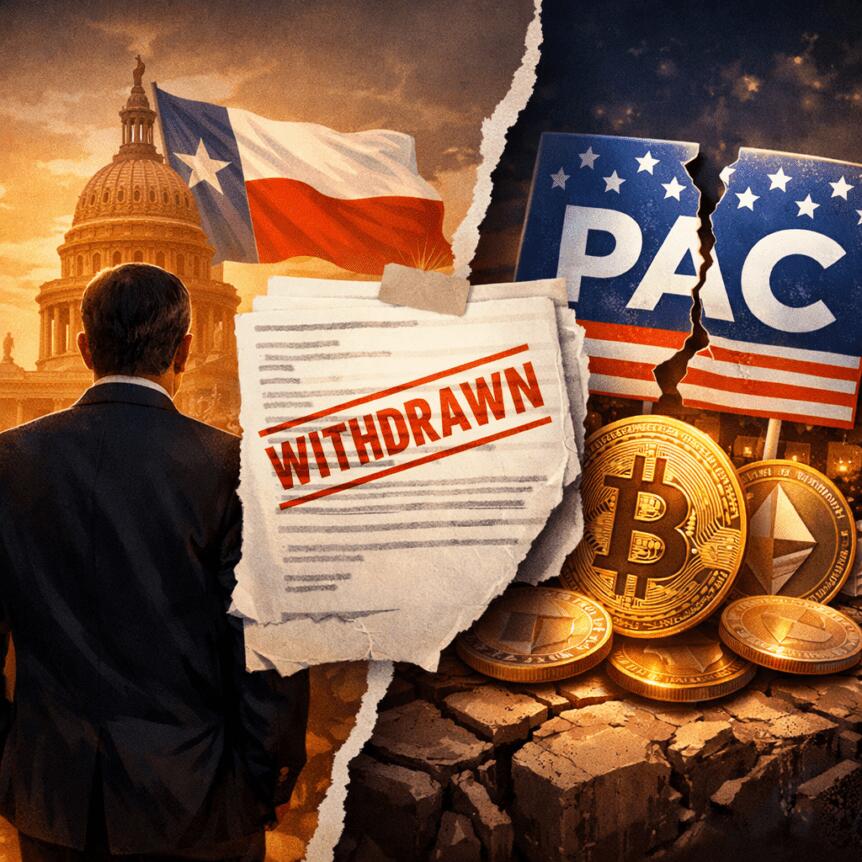
The Fellowship political action committee, a crypto-aligned fundraising group that had claimed more than $100 million in backing, has reportedly pulled back from a planned advertising push in support of Texas Attorney General Ken Paxton in a closely watched U.S. Senate race. Axios reported that Republican leaders reached out to Commerce Secretary Howard Lutnick over Fellowship’s ties, a connection that Cointelegraph previously traced to Cantor Fitzgerald, a firm with partial financial backing for the PAC. Lutnick’s past role as Cantor’s longtime president and CEO—and the fact that his sons now lead the firm—has heightened scrutiny of Fellowship’s influence as Paxton’s campaign and allied spending drew attention in a high-profile statewide contest. Fellowship’s disclosed ad buy, which amounted to about $1.75 million in supportive spending, was reported to the Federal Election Commission but was never executed; the filing remains publicly accessible as of Friday. Cointelegraph sought comment from Fellowship but did not receive an immediate response.
The episode underscores a broader, ongoing dynamic in U.S. politics where cryptocurrency-backed committees attempt to shape policy outcomes and voter sentiment amid intensified partisan scrutiny. While Fellowship paused its Paxton-related advertising, other crypto-linked PACs have signaled ongoing fundraising and expenditure in this cycle, reflecting a strategy that blends political advocacy with sector-specific messaging. The disclosure trail—tied to Nxum Group, the marketing firm listed in the FEC filing—illustrates how crypto-safe donors and marketing arrangements intersect with campaign finance compliance. The situation also spotlights a tension within Republican circles, where some leaders privately press for caution around high-profile crypto endorsements that could become political liabilities.
Key context for readers: Axios’s reporting notes that Republican leaders contacted Lutnick to question Fellowship’s influence and the group’s connections to Cantor Fitzgerald. Cantor Fitzgerald, a longstanding investment house with deep ties to markets and corporate funding, has previously been cited as a partial backer of Fellowship. The interplay between established financial institutions and a political action arm aligned with crypto interests is a theme that has recurred across several races, drawing attention from regulators, industry groups, and market watchers alike.
In parallel, the broader political environment for crypto remains active on Capitol Hill. Earlier coverage highlighted that crypto-focused PACs, including Fellowship, Fairshake, and others, are expected to deploy hundreds of millions of dollars in the upcoming midterms to shape narratives and voter decisions. The sector remains divided on strategy, with supporters arguing that targeted, policy-aligned messaging helps advance a pro-crypto regulatory framework, while opponents warn of potential overreach or misaligned spending that could invite tighter scrutiny.
The Paxton episode sits within a Texas-centric narrative. Paxton failed to secure an outright win in the March Republican primary against Senator John Cornyn and will contend with the incumbent in a May 26 runoff before the November general election. Depending on the runoff outcome, Paxton could face Democrat James Talarico in what is expected to be one of the nation’s most consequential Senate races this cycle. The campaign finance disclosures tied to Paxton’s race—alongside Fellowship’s public filings—illustrate how crypto-affiliated entities are attempting to influence down-ballot dynamics in states with large, highly competitive electorates.
Key takeaways
- The Fellowship PAC reportedly retracted an ad buy backing Ken Paxton in the Texas Senate race amid scrutiny from Republican leaders about its crypto ties and financing sources.
- Action around the PAC is linked to Cantor Fitzgerald, a partial financier of Fellowship, elevating questions about the role of established finance houses in crypto-backed political activity.
- A $1.75 million advertising expenditure was disclosed to the FEC but never placed; the filing remains accessible, underscoring the fragility of some crypto-driven political commitments.
- Crypto-aligned PACs are expected to spend heavily in the U.S. midterms, signaling continued industry involvement in political outcomes, even as individual campaigns navigate disclosures and regulatory risk.
- Legislative momentum on crypto market structure remains mixed, with policy grids and postponements in Washington, even as the industry presses for a faster markup of the CLARITY Act and related measures.
Fellowship’s pause and the scrutiny it invites
The Axios report situates Fellowship’s decision to pull back from Paxton ads within a broader pattern of Republican leaders seeking to temper high-profile crypto endorsements that could complicate electoral dynamics. By contacting Howard Lutnick, GOP aides highlighted the sensitivity surrounding Fellowship’s funding sources and potential conflicts of interest for a candidate in a high-stakes statewide race. The ties to Cantor Fitzgerald, as documented in prior Cointelegraph coverage, have intensified questions about the degree to which traditional financial powerhouses influence crypto-focused political operations.
Meanwhile, the FEC filing detailing a $1.75 million expenditure—submitted via the Nxum Group—offers a window into the mechanics of crypto-aligned political activity. While the money was allocated for supportive advertising, the purchase was not executed, and the status of the funds remains a matter of record. This nuance matters for readers tracking how campaign finance rules intersect with fast-moving political reporting in the crypto space. As with many such disclosures, the public record can lag behind private communications and negotiation dynamics that shape whether an ad buys materialize.
The broader takeaway is that crypto-backed PACs operate within a patchwork of party politics, regulatory expectations, and market sensitivities. The fact that Fellowship would back away from a specific candidate—despite publicly touting substantial backing—reflects the earned caution among some political actors who fear reputational or regulatory repercussions that could spill over into the broader crypto sector.
Texas race context and the pathway ahead
The Texas contest paints a portrait of a state-level race that has national implications given its size, political influence, and the symbolic weight of a U.S. Senate seat. Paxton’s runoff against Cornyn, set for May 26, remains a critical hurdle before a general election that could reshape the composition of the chamber. In a state where campaign finance is deeply scrutinized and where crypto donors have signaled interest in policy outcomes, the Fellowship episode adds another layer to the narrative about how blockchain and digital-asset interests engage in electoral politics. The outcome of the runoff and the ensuing campaign could influence not only Paxton’s political trajectory but also the posture of crypto-friendly policymakers as they seek clearer regulatory guardrails and a more predictable environment for innovation and investment.
As the campaign trail evolves, observers will watch how endorsements and spending by crypto-aligned committees translate into votes, and how the parties respond to questions about the sources of funding and the strategic aims behind high-profile ads. The episode also underscores the difficulty of mapping the intersection between crypto advocacy groups and mainstream political campaigns, where messages must navigate both ideological alignment and the optics of campaign finance disclosure.
Policy momentum versus political friction in Washington
Beyond Texas, the U.S. policy debate on crypto remains a central theme of congressional activity. Since July 2025, the Senate has been weighing a comprehensive crypto market structure bill, a package that many in the industry view as a potential watershed for regulatory clarity. While Republicans have held a narrow Senate majority in early 2025, enabling movement on the GENIUS Act and related measures, control of the chamber could shift with the 2026 midterms. The ongoing stalemate on market structure has been attributed to a combination of ethics questions, procedural delays, and ongoing debates over stablecoin yield and exemptions.
In response, more than 120 entities tied to the cryptocurrency and blockchain ecosystems joined forces to urge Senate Banking Committee leaders to advance the CLARITY Act. The push underscores a persistent demand from the industry for timely knowledge of how draft rules will apply to exchanges, wallets, custodians, and DeFi protocols. A markup in the Senate is typically a precursor to formal votes, so the industry’s call to accelerate action reflects a clear preference for progress over protracted deliberation.
For market participants, the policy arc matters because regulatory clarity can influence capital allocation, project timelines, and risk management. A swifter path to well-defined market structure standards could reduce uncertainty for issuers and investors, while delays may perpetuate a climate of intelligence-gathering and strategic positioning among market participants. The Fellowship episode, while centered on a Texas race, sits within this wider ecosystem narrative: political developments feed into regulatory expectations, which in turn shape corporate and investor behavior around crypto assets and related technologies.
As readers monitor these developments, the key questions remain: Will Fellowship or other crypto-linked committees adjust their strategies in light of political scrutiny, and how will the Senate’s handling of the market structure bill affect the trajectory of crypto regulation in the near term? Investors and builders alike should watch for progress on the CLARITY Act markup, potential changes in committee leadership, and any new disclosures that reveal how industry money is flowing into political campaigns as lawmakers refine the regulatory playbook for digital assets.
For readers looking to verify particulars or explore the source materials, Axios’s report on Lutnick’s connections and Fellowship’s activity offers a current snapshot, while the FEC form provides the public record of the $1.75 million expenditure that was disclosed but not executed. Earlier reporting from Cointelegraph documented Fellowship’s funding links to Cantor Fitzgerald and Anchorage Digital, which helps explain why the PAC’s activity has drawn attention in both crypto and political circles.
What remains uncertain is how much of the crypto industry’s political engagement will translate into tangible policy outcomes that reshape market dynamics, consumer protection, and innovation incentives. As midterm campaigns unfold and legislative sessions continue, readers should expect ongoing scrutiny of crypto-funded political activity and a continuing push for a clearer, more predictable regulatory framework that can guide growth without stifling innovation.
The story continues to unfold, with eyes on the Texas runoff, the next phase of campaign finance disclosures, and the Senate’s approach to market structure legislation. Watch for updates on whether Fellowship or similar entities renew targeted political advertising, and for any shifts in the regulatory timetable that could influence crypto markets and project timelines in the months ahead.