


WhiteBIT has secured authorization under the EU’s Markets in Crypto-Assets Regulation (MiCA) from Austria’s Financial Market Authority, enabling the exchange…
This category covers global regulatory, legal, and policy developments that shape the digital economy and the broader financial landscape.
Here we analyze how geopolitics, government policies, tax frameworks, and cross-border regulations impact businesses operating in crypto, blockchain, Web3, fintech, and emerging technologies.
Topics include international regulatory trends, compliance frameworks, geopolitical risk, digital asset legislation, taxation policies, and institutional perspectives from governments, regulators, and global advisory firms.
This section is designed for readers who want to understand how global rules and political dynamics influence innovation, markets, and the future of digital assets.
WhiteBIT has secured authorization under the EU’s Markets in Crypto-Assets Regulation (MiCA) from Austria’s Financial Market Authority, enabling the exchange…
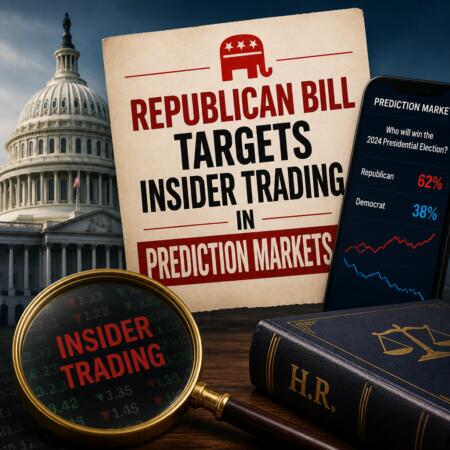
U.S. Representative Bryan Steil, chair of the House subcommittee on digital assets, has introduced legislation aimed at preventing members of…

Binance’s troubled progress toward securing a MiCA license in Greece has sparked scrutiny over whether EU institutions beyond the formal…

Binance’s renewed accessibility in the Philippines through a local arrangement with BlockShoals Technologies is being framed as a matter of…
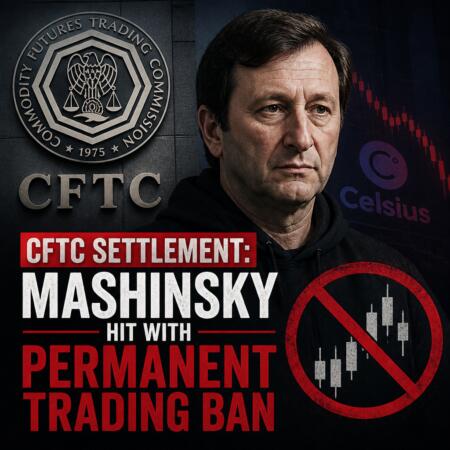
The U.S. Commodity Futures Trading Commission (CFTC) has concluded its remaining enforcement matter against Alex Mashinsky, the founder of failed…
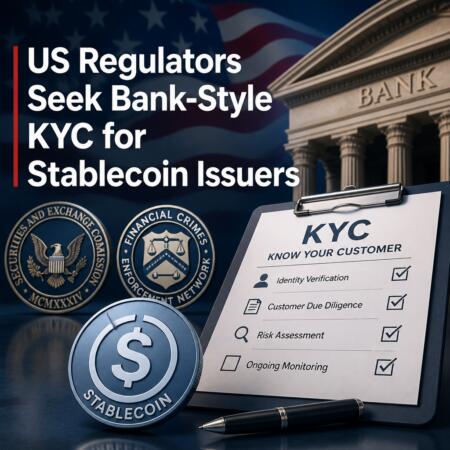
US financial regulators have proposed customer identification rules for stablecoin issuers, aiming to align identity verification practices with requirements applied…
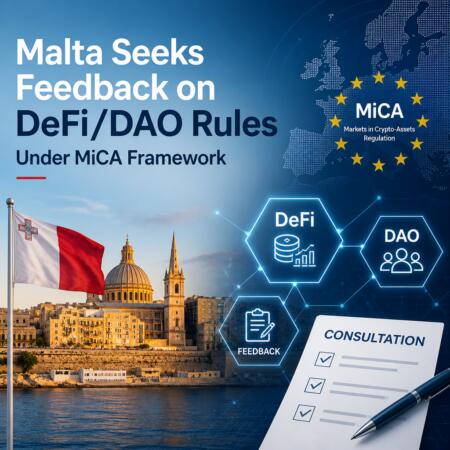
Malta’s financial regulator has opened a public consultation that proposes a dedicated legal framing for decentralized finance (DeFi), including how…

Opening summary Ireland has released a new national assessment on the risks associated with digital assets, marking the first such…
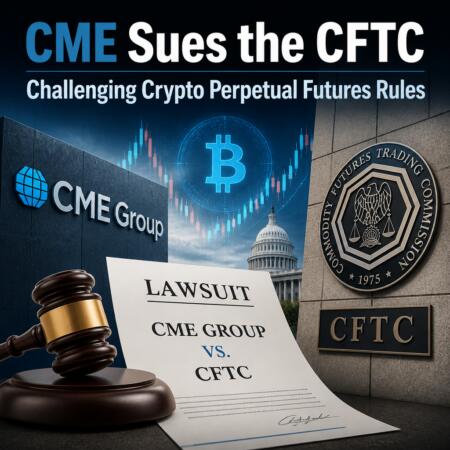
The Chicago Mercantile Exchange (CME) Group has filed a lawsuit in federal court challenging the U.S. Commodity Futures Trading Commission…
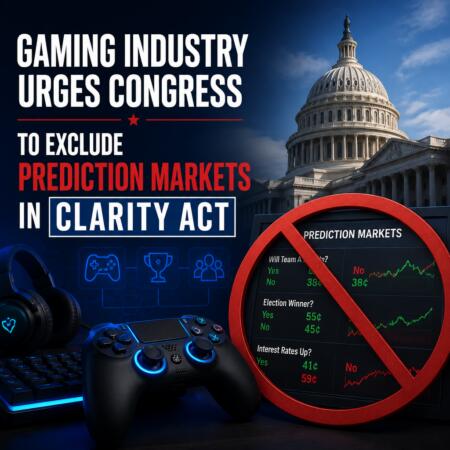
Several U.S. gaming industry groups and labor organizations have asked Senate lawmakers to add explicit language to the Digital Asset…