Netflix’s new FTX drama The Altruists has reignited debate over how the series portrays the roles of Sam Bankman-Fried and Binance co-founder Changpeng “CZ” Zhao, particularly around a storyline critics say frames Zhao too harshly while making Bankman-Fried appear overly sympathetic.
The controversy centers on an episode in which Zhao’s character pushes Bankman-Fried and Alameda Research executive Caroline Ellison to arrange advance access to FTX customers’ orders so Alameda can trade ahead of them. While some viewers and commentators treated the sequence as a close reflection of real events, the show’s creator and others have pushed back on the idea that it maps cleanly onto specific allegations or documented conduct.
Key takeaways
- Critics argue The Altruists portrays Zhao as the villain and Bankman-Fried in a more favorable light, using a front-running related plot point in episode four.
- Series creator Graham Moore said the scene is fiction and noted there is no evidence that CZ was specifically linked to front-running pressure.
- Changpeng Zhao described a clip from the show as “complete BS,” while investment research firm Farside Investors also criticized the portrayal.
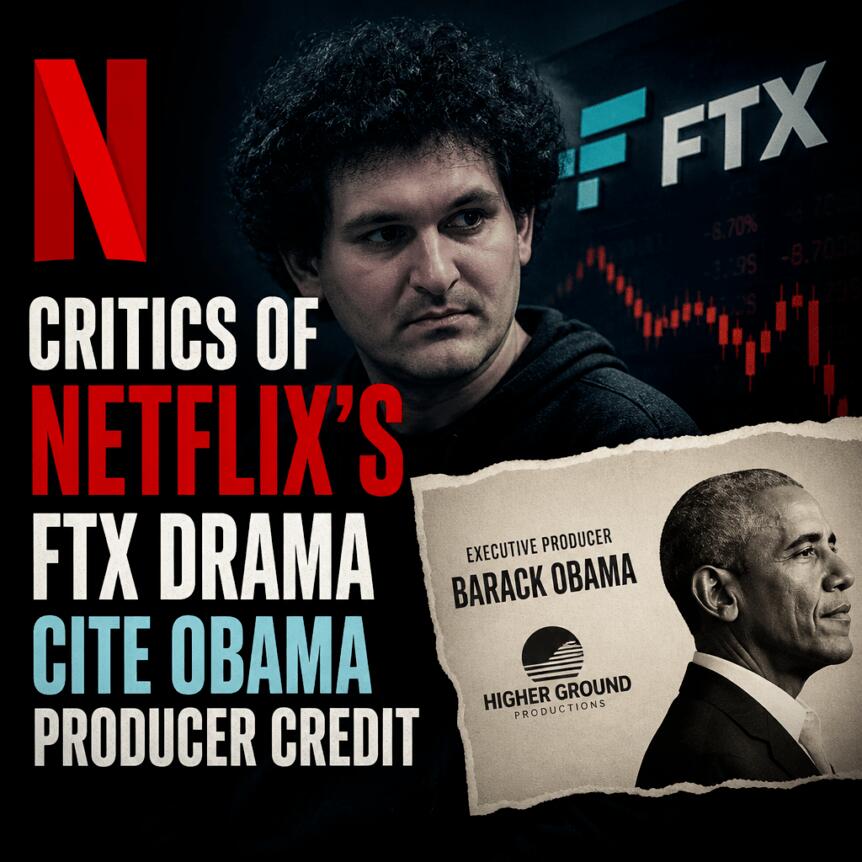
- Some critics have pointed to the Obamas’ executive producer credits as an additional reason Netflix may be biased, though no new evidence was presented.
Front-running scene sparks backlash
DRW founder Don Wilson was among those calling the series misleading. He said Netflix’s portrayal “favors Sam Bankman-Fried over” Zhao, asserting that the show emphasizes Bankman-Fried’s pressure and motivations while depicting Zhao in a negative role.
The dispute focuses on what happens in episode four: Zhao’s character appears to urge Bankman-Fried and Ellison to provide Alameda with advance access to FTX customers’ orders. The implied goal is to allow Alameda to trade ahead of those orders—an idea that drew immediate attention from critics who believe it echoes allegations raised in the collapse of FTX.
However, Moore—who created the series—identified the moment as fictional in an essay published by Vulture. Moore wrote that he believed the pressure the characters faced may have been grounded in reality, but he also said there is “no evidence that CZ ever specifically pressured FTX to front-run.”
Zhao and market observers reject the depiction
Zhao pushed back publicly after the drama premiered. He called a clip from the series “complete BS,” describing the portrayal as inaccurate.
Farside Investors also singled out the front-running scene, saying it casts Zhao as the villain. While the company’s comment targeted the narrative framing rather than providing new legal or factual evidence about the specific episode, it reinforced the broader claim that the show’s character work may be steering audience perceptions.
Obamas’ producer credits become part of the argument
Some criticism moved beyond the episode content to Netflix’s production team. Wilson said the clip was an “epic fail by Netflix,” and he cited the presence of former US President Barack Obama in the executive producer credits.
Netflix’s listings reportedly include both Barack and Michelle Obama as executive producers, alongside Moore and Jacqueline Hoyt as showrunners. In separate commentary on X, an account identified these credits and linked them—without providing evidence—to Bankman-Fried’s political donations to Democrats.
The underlying point raised by critics is not that the executive producer credit proves distortion, but that it may help explain why certain portrayals are perceived as lopsided. At the same time, the posts did not present concrete proof that donations influenced the script.
Why the drama still connects to real FTX litigation
Even as The Altruists becomes a talking point for viewers, key parts of the FTX story behind it remain contested in court. The series’ depiction of conflicts and decision-making occurs against a backdrop of testimony and legal findings tied to FTX’s collapse.
According to earlier reporting summarized in this coverage, Zhao publicly announced that Binance would sell its holdings of FTT in November 2022. During Bankman-Fried’s 2023 trial, Caroline Ellison testified that she believed Zhao’s announcement contributed to the wider situation that followed, and she said FTX collapsed primarily because Alameda could not repay more than $10 billion in FTX customer funds.
Those details align with the broader legal narrative that FTX’s failure was not just reputational pressure but a liquidity crisis driven by obligations connected to Alameda. Bankman-Fried was sentenced in 2024 to 25 years in prison for orchestrating a fraud involving more than $8 billion taken from FTX customers.
In the aftermath, FTX’s bankruptcy estate pursued litigation that included claims connected to Zhao and Binance. The estate sued in November 2024, seeking $1.76 billion tied to a 2021 share repurchase, and it also sought damages over Zhao’s public statements. Binance and Zhao rejected the allegations; Binance described the claims as “meritless.”
In July, US Bankruptcy Judge Karen Owens dismissed the estate’s claims related to Zhao’s statements on the grounds that misconduct by FTX itself barred those claims. The judge, however, allowed the estate to pursue the separate buyback-related claim—suggesting that, while some aspects of the legal case were shut down, others proceeded.
What to watch next
As The Altruists continues to circulate, the most important question for investors and watchers of crypto legal risk is whether the show’s narrative choices will prompt fresh scrutiny of how allegations are discussed—or whether creators’ clarifications will contain the controversy. The factual disputes at the heart of the backlash remain tethered to court proceedings, so readers should follow developments in the litigation rather than rely solely on dramatic reenactments.